How to Run a Pickleball Sample Testing Program for Clubs and Distributors
A step-by-step sample testing program for clubs, associations and distributors: panel, units, measurement, session logs, scorecard and approval.
A sample testing program turns "we liked the sample" into a documented decision. For clubs, associations and distributors, the risk is rarely that a single test unit is bad. The risk is that the twenty-fourth carton behaves differently from the first, and nobody finds out until members complain or a retail partner returns stock.
This guide describes a simple, repeatable program you can run with a committee, a few courts and a few weeks. It sticks to process: what to record, who should test, how many units to place, and how to convert the results into an approved specification you can reorder against.
What a sample testing program is, and who runs it
A sample testing program is a short, structured evaluation of finished production units before a purchase decision. It differs from sample approval in one respect: approval asks whether one unit meets the specification, while a program asks whether the product, the packaging and the supplier behave consistently across several units, sessions and conditions.
Typical owners of the program:
- Club equipment committee - decides on balls, nets or paddles used by members across a season.
- Association or league board - needs a defensible purchase decision and a record for members.
- Distributor product or QA team - decides whether to list a model and what to promise retailers.
- Coaches and academy managers - judge whether a product survives lessons and drills, not just open play.
Step 1: Define the decision before you open a box
Write down the decision in one sentence, for example: "Choose one tournament ball for the 2027 season" or "Approve two paddle models for club loaner sets". Then fix the acceptance criteria in advance. If criteria are written after testing, the program becomes a preference poll.
A workable criteria set covers four areas:
- Play - bounce, feel, sound, control, and whether the product behaves as described.
- Durability - how the unit looks and plays after a defined number of hours.
- Consistency - how closely unit 2, 5 and 12 match unit 1.
- Commercial fit - labeling, packaging, reorder terms, spare parts and support.
Step 2: Choose a panel and the courts
Eight to fifteen testers is usually enough to expose a real problem without turning the program into administration. Include a mix of skill levels: advanced players notice subtle differences in bounce and control, while newer players and coaches notice durability and how a product behaves in drills.
Use at least two courts, and if possible two surfaces. A ball or paddle that feels right on one surface may behave differently on another, and indoor conditions are not outdoor conditions. Record the surface, the temperature and whether play was indoor or outdoor for every session.
Step 3: Place the right number of units
One unit per model tests a product. Three to six units per model test a production run. Set aside one unit as an unopened reference: it is the unit you measure again at the end to check that nothing drifted.
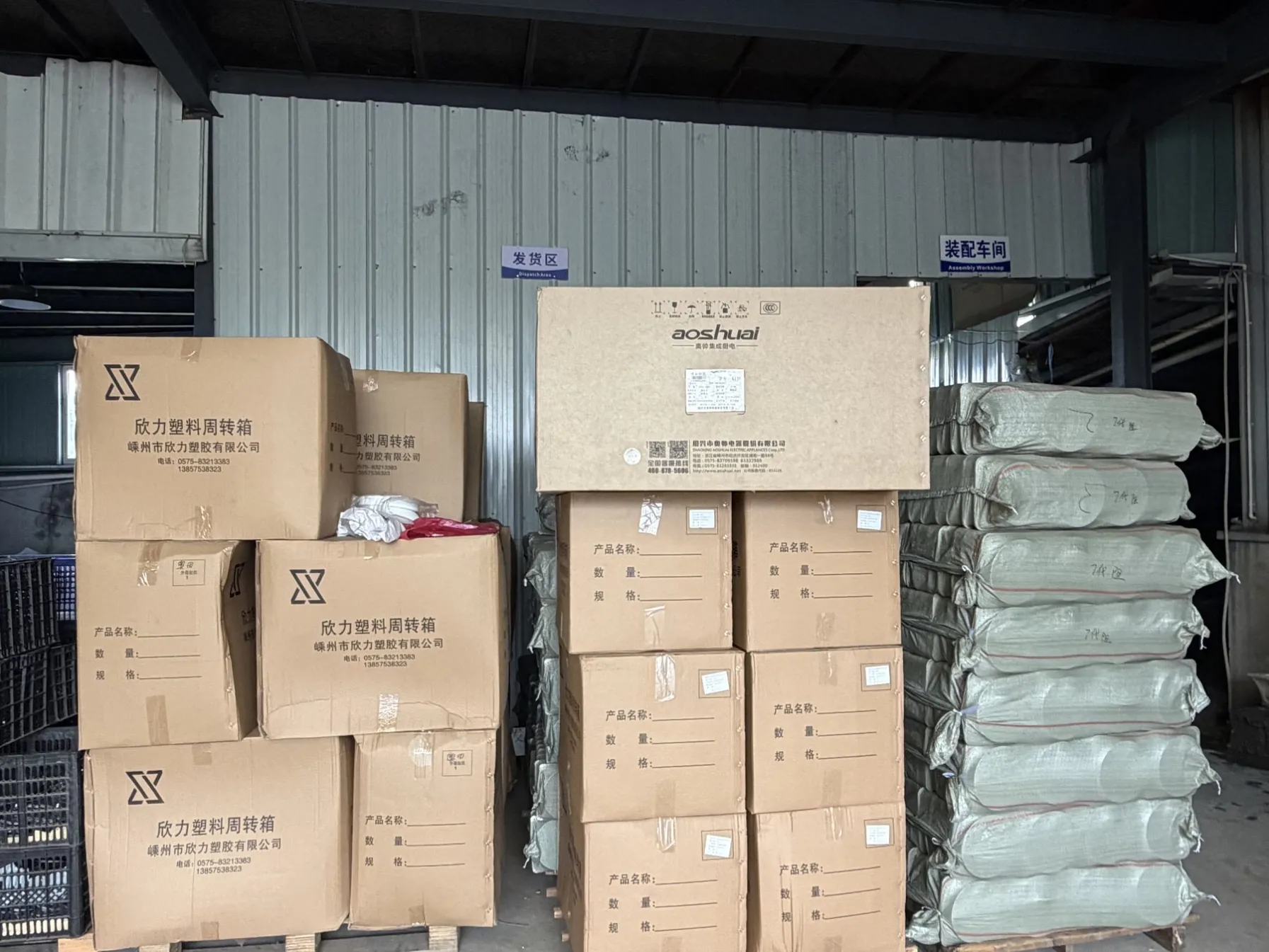
Keep the carton labels and batch references. If a problem appears later, the label is what lets a supplier trace the run instead of guessing.
Step 4: Run a controlled first session
The first session should be measurement, not play. It takes about an hour and produces the baseline everything else is compared against:
- Weigh each unit and record the value to the nearest gram.
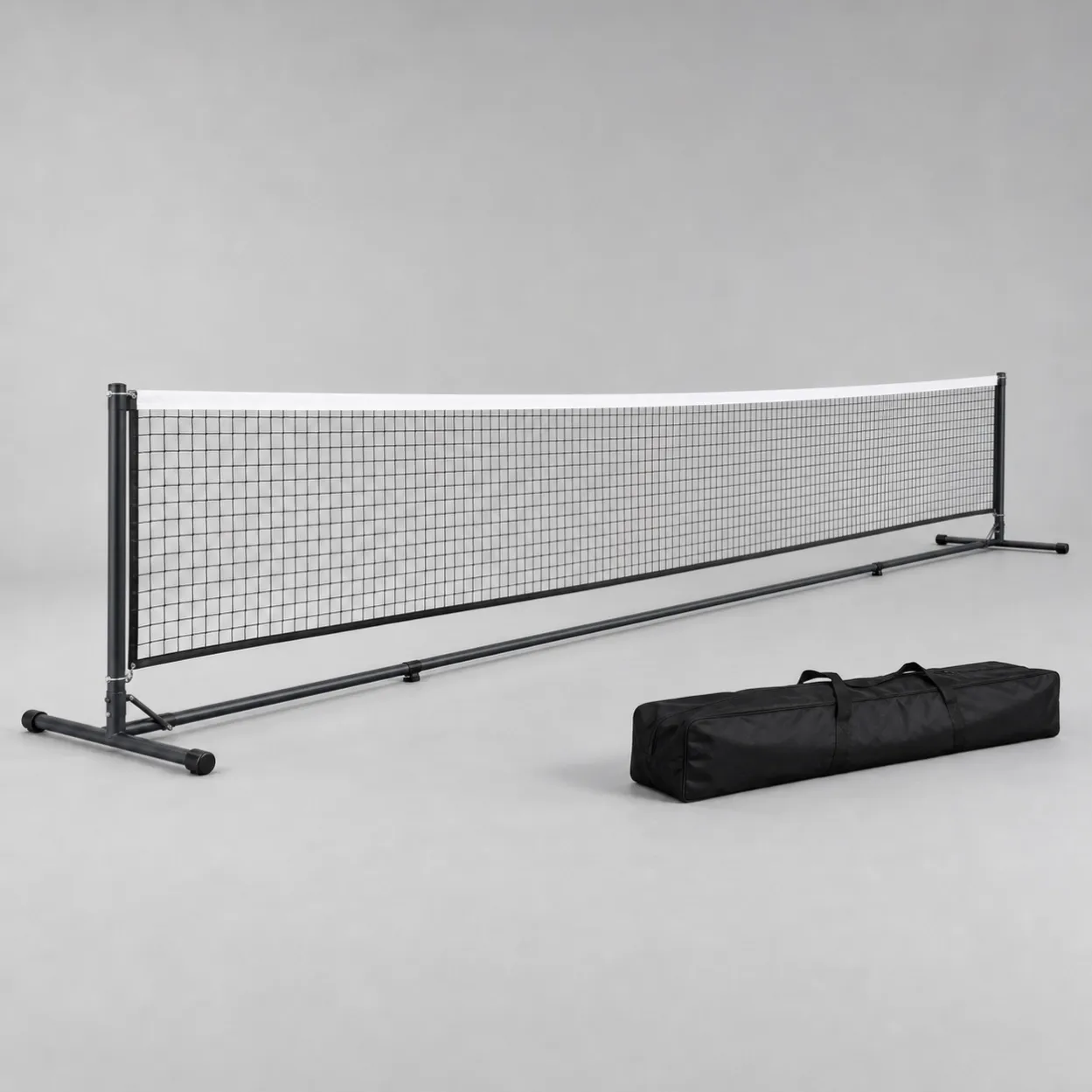
- Measure the dimensions that matter for your product: ball diameter, paddle length and width, net height at the sidelines and center.
- Inspect the finish: seams, molding marks, print alignment, edge guards, stitching and label placement.
- Photograph each unit next to its label so later comparison is unambiguous.
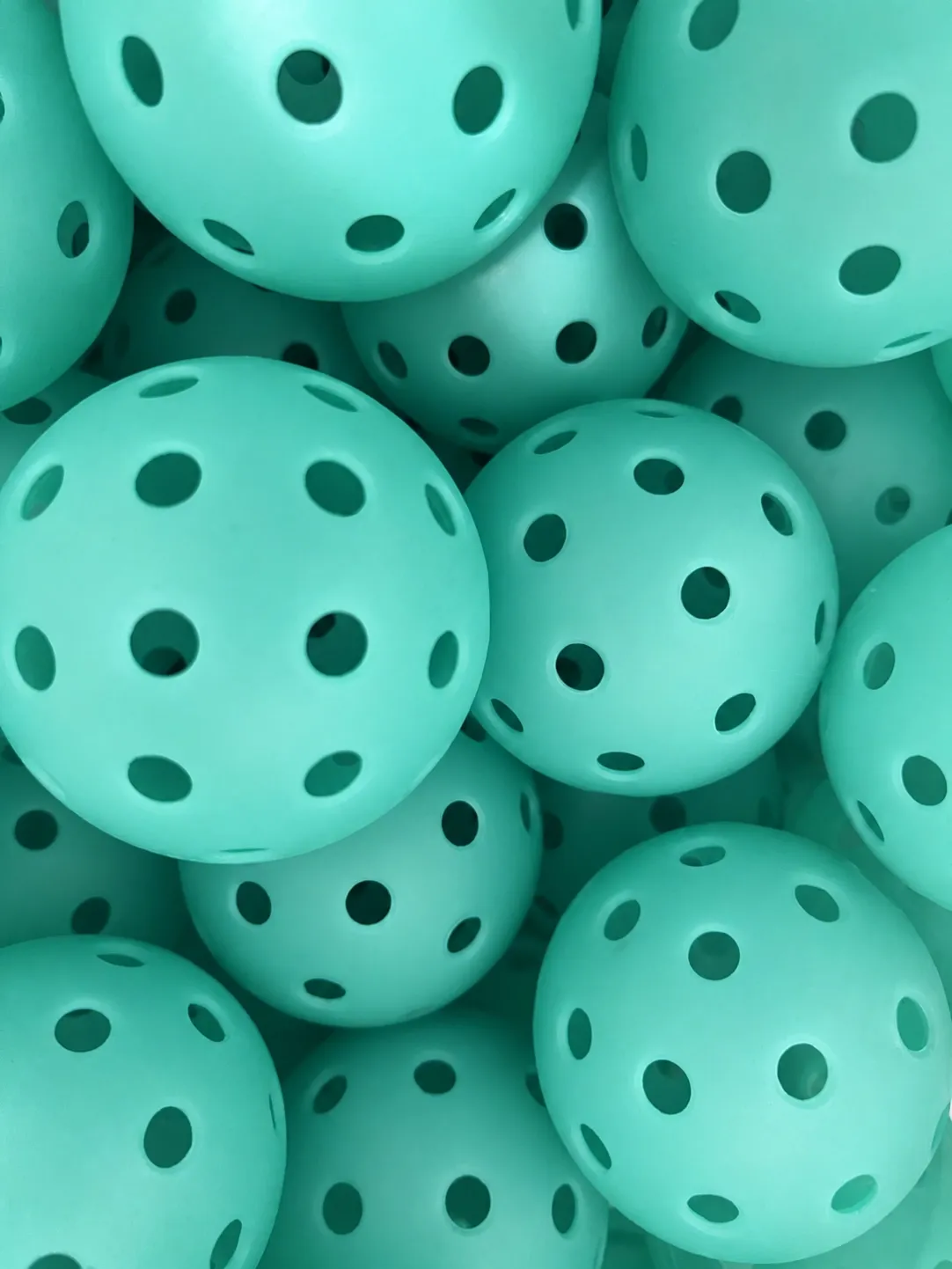
- Run a drop or bounce check under identical conditions for every unit in the sample.
Do not rely on a single "good" sample to represent a shipment. Variation between units is the most common finding in a first program, and it is exactly the finding that matters at reorder time.
Step 5: Log play sessions the same way every time
A short log beats long narratives. For each session record the date, hours played, surface, indoor or outdoor, temperature, tester names and skill levels. Then record what changed. Useful failure observations include:
- cracking, crazing or visible stress marks;
- deformation or loss of shape;
- seam separation, delamination or surface peeling;
- print or logo wear, fading or transfer onto other surfaces;
- edge guard or bumper movement on paddles;
- change in bounce, weight or balance compared with the baseline measurement.
Use the same ball machine, the same drill or the same match format where possible, so that differences between sessions reflect the product rather than the schedule.
Step 6: Score the results against the criteria you set
A weighted scorecard keeps a loud opinion from deciding the purchase. The weights below are a starting template, not an industry standard - adjust them to what your program is actually buying.
| Criterion | Suggested weight | Evidence used |
|---|---|---|
| Play behaviour | 30% | Tester scores, blind comparison results |
| Durability | 30% | Condition after defined hours, failure list |
| Unit-to-unit consistency | 20% | Weight, dimension and bounce spread across units |
| Branding and packaging | 10% | Print quality, label accuracy, carton condition |
| Supply and support | 10% | Response time, documentation, spare parts, reorder clarity |
Score each criterion on the same scale (1 to 5 is enough) and keep the raw observations attached. A weighted score without evidence is just a decimal point.
Step 7: Close the loop with an approved reference
The output of the program is not a verdict, it is a document: the approved model, the approved specification with tolerances, the reference unit, the packaging and labeling requirements, and the criteria that would trigger a re-evaluation. That document is what makes the second order predictable.
If the program runs across two suppliers, give both the same protocol and the same scorecard. Comparing one supplier's tidy presentation with another supplier's informal one is not a comparison.
Five mistakes that waste a sample program
- Testing one perfect sample. Ask for units from the same production run and test several.
- No written criteria. Without them, the result is whoever speaks last.
- One climate, one surface. Cold, heat and surface type change how balls and paddles behave.
- Ignoring packaging. Carton strength and label accuracy decide whether retail partners accept a shipment.
- No reference unit kept. Without it, you cannot prove what changed at the next reorder.
What to ask the factory before the trial starts
- A specification sheet with tolerances for the measurements you will check.
- Whether all trial units come from the same production run, and how the run is identified.
- Sample lead time separated from production lead time.
- What happens if a unit fails during the trial - replacement, credit, or root-cause report.
- Labeling and packaging options, and whether custom print is available for the trial quantity.
- Which spare parts are available after the order, such as nets, carry bags or edge guards.
SYNLY manufactures pickleballs, paddles and portable court equipment for OEM and private-label programs, with injection-molding experience going back more than 30 years. Ball programs cover 26-hole, 40-hole and 48-hole models, custom colors, logo printing and packaging; the 48-hole model is available for bulk production with quality benchmarked against the Life Time LT Pro 48. Specific dimensions, tolerances, quantities and lead times are confirmed in the approved order specification rather than assumed from a catalog page.
Frequently Asked Questions
How long should a sample testing program run?
Long enough for the product to show wear under normal use. For balls and paddles used several times a week, two to four weeks is a practical starting point. Programs that end after one session measure first impressions, not durability.
How many testers do we need?
Eight to fifteen is usually enough. Fewer than eight makes it hard to separate product differences from personal preference; more than fifteen adds administration without adding much evidence.
Should testers know which brand they are testing?
Blind testing is better where it is practical - remove or cover branding on at least part of the sample, and compare models without announcing which is which. Brand knowledge reliably influences reported feel.
Do we need laboratory testing as well?
A club or distributor program is not a substitute for the compliance testing a market requires. The program answers "should we buy this", while certification and market access are separate questions that should be confirmed with the supplier and, where required, a testing body.
What should we do if units differ from each other?
Record the difference, quantify it (weight, dimension, bounce) and raise it with the supplier before ordering. Unit-to-unit spread is a production question, and a supplier that cannot explain it is a supply risk.
Can a trial quantity carry our own logo?
Often yes, depending on the product and the decoration method. Ask for the minimum quantity for your logo and confirm whether a plate or tooling charge applies before approving the trial.
Related reading
- Paddle sample testing checklist for bulk orders
- Golden sample approval checklist
- Pickleball equipment buying guide for clubs, coaches and distributors
- Product questions clubs and distributors ask before buying balls in bulk
- Contact SYNLY for a sample and specification discussion
References: USA Pickleball rules for court and net dimensions when you define the measurements to check during a trial.