Cold Weather and the Indoor Season: A Practical Guide for Pickleball Clubs
Prepare your club for cold weather and indoor pickleball season: court capacity, quiet balls, equipment care and sample evaluation steps.
Every October, clubs in cold climates face the same transition: outdoor courts close or shrink, sessions move indoors, and the equipment that worked all summer suddenly has new limits. A little planning turns the change of season from a disruption into a program — and the decisions are the same three every year.
This guide covers how clubs prepare for cold-weather play and the indoor season: court capacity, the ball question, and equipment care through the coldest months.
Quick answer: what should clubs plan for the cold season?
Three things: where play will happen (indoor capacity and the equipment that makes shared spaces work), which balls the program will use as temperatures drop, and how equipment is stored and cared for between sessions. Each has practical checks that take one club session to complete.
1. Indoor capacity: make shared spaces playable
Indoor play rarely matches an outdoor court setup. The equipment that bridges the gap:
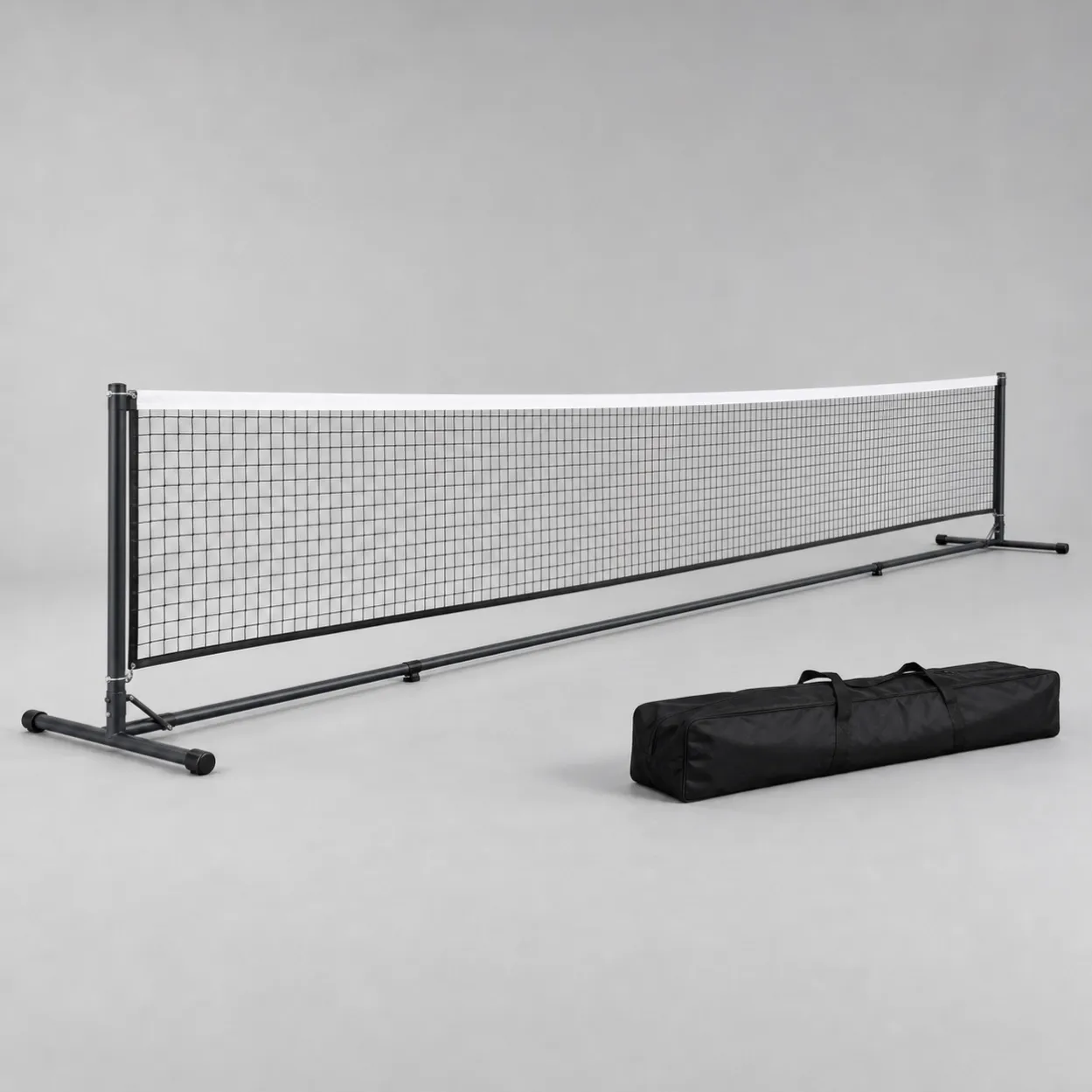
- Portable net systems for halls and gyms that need a full-size court, set up and packed per session;
- Compact court kits — mat, 1.5 m dink net and balls — for rooms too small for a full court, and for beginner and family sessions;
- Quiet practice balls where noise matters: shared buildings, evening sessions and residential venues;
- Carts and collectors so multi-group sessions stay orderly and end-of-session cleanup is fast.
Measure the space, test one setup in real use, and only then scale the indoor fleet — our compact court kit playbook covers the evaluation steps.
2. The ball question as temperatures drop
Cold changes how equipment feels, and balls are where players notice it first: bounce feel and overall responsiveness depend on the ball, the temperature and the surface together. Players commonly report that play feels different in the cold — which is exactly why the answer is a sample test, not a guess.
Practical steps for clubs:
- Ask suppliers for samples of the candidate ball models and test them in your own conditions — outdoor sessions early in the season and indoor sessions after the move;
- Collect player feedback on bounce feel, sound and consistency across several sessions, not one;
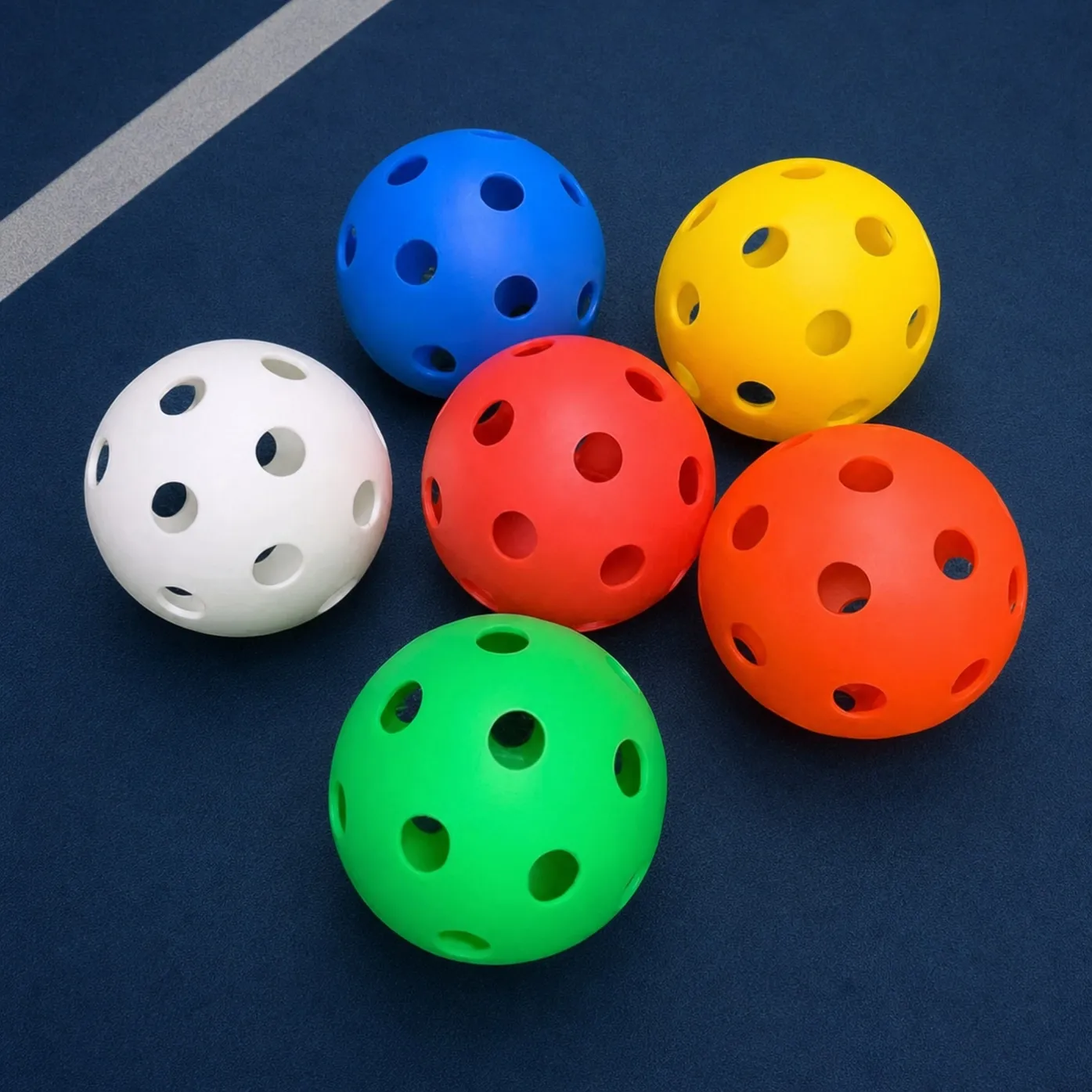
- For programs that play in severe cold as well as heat, discuss climate-focused development with the supplier — the SYNLY 48-hole ball, for example, was developed for durability, responsive bounce and stable performance across severe cold and heat (bulk production available, all colors customizable);
- Standardize one approved model per program so members practice and play with a known ball — our sample testing guide covers how to run the evaluation and record the decision.
3. Storing and caring for equipment through the cold months
Between sessions, cold and temperature swings are hard on stored equipment. A simple routine protects the fleet:
- Avoid long storage in unheated vehicles or freezing storage rooms where practical;
- Let cold equipment reach room temperature before heavy use rather than forcing frozen hardware;
- Inspect nets, mats and bags as the season turns — the first session of the indoor season is the right time to catch wear from the outdoor months;
- Store balls in tubes or cases so they stay clean, together and easy to count between sessions;
- Keep a short damage log as rental or club gear circulates — it makes reorder decisions for spring straightforward.
Planning the indoor season as a program
Clubs that plan the transition keep members through the winter. Practical moves that compound:
- Publish the indoor schedule early, with formats that fit the venue (shorter games, more rotations);
- Match session types to equipment: full-court nights, dink nights in small rooms, junior and family slots;
- Keep a shared equipment checklist for whoever sets up the session;
- Use the quieter months to test new models and prepare the spring reorder with record-backed decisions.
Frequently Asked Questions
Do pickleballs need different handling in cold weather?
Players commonly notice differences in feel as temperatures drop. The right approach is to test candidate balls in your actual conditions and let the players evaluate them — not to rely on general claims. Clubs playing through cold seasons can request samples of climate-focused models.
Can we keep playing outdoors in winter?
Many programs continue outdoor play in cold weather when courts are available and safe. Use the season to test how your ball choices behave, and keep indoor options ready for the coldest weeks.
What is the minimum kit for indoor play in a small hall?
A compact court kit — mat, 1.5 m dink net and balls — is the smallest complete setup; add quiet balls when noise matters and a collector to keep sessions tidy.
Is the 48-hole ball suitable for cold-weather play?
The SYNLY 48-hole ball was developed with durability, responsive bounce and stable performance across severe cold and heat as the development focus, and is available for bulk production with all colors customizable. Order samples and evaluate it in your own conditions before standardizing.
How do we decide the spring reorder after winter?
Keep the damage log, session feedback and approved samples through the season. Use them at the end of winter to confirm the model, quantities and any changes for the spring order — our batch traceability guide covers keeping reorders consistent.
Request a Cold-Season Sample Kit
Tell us where your club plays, the indoor venue constraints, the ball models you are considering and the session types you run. SYNLY can prepare a sample set and confirm availability, MOQ and lead time for the equipment you need.
Email: parry@synlypickleball.com
WhatsApp: +86 15067540770
Related: 48-hole climate-ready pickleball · Compact court kit · Ball sample testing guide · Quiet practice balls guide · Batch traceability guide · Browse SYNLY products